
01 / A CLEAR SUBJECT
Keep the focus close
Choose a portrait, pet or another subject that is large enough to recognize. A close crop gives the face or important detail more of the available image area.
The best lithophane starts with a photo that reads clearly in light and shadow. A few simple choices can help your favorite moment come through beautifully.
Lithophanes turn differences in brightness into the tones you see when light shines through the print. Photos with clear shapes and readable light and dark areas tend to translate best.
Choose a portrait, pet or another subject that is large enough to recognize. A close crop gives the face or important detail more of the available image area.
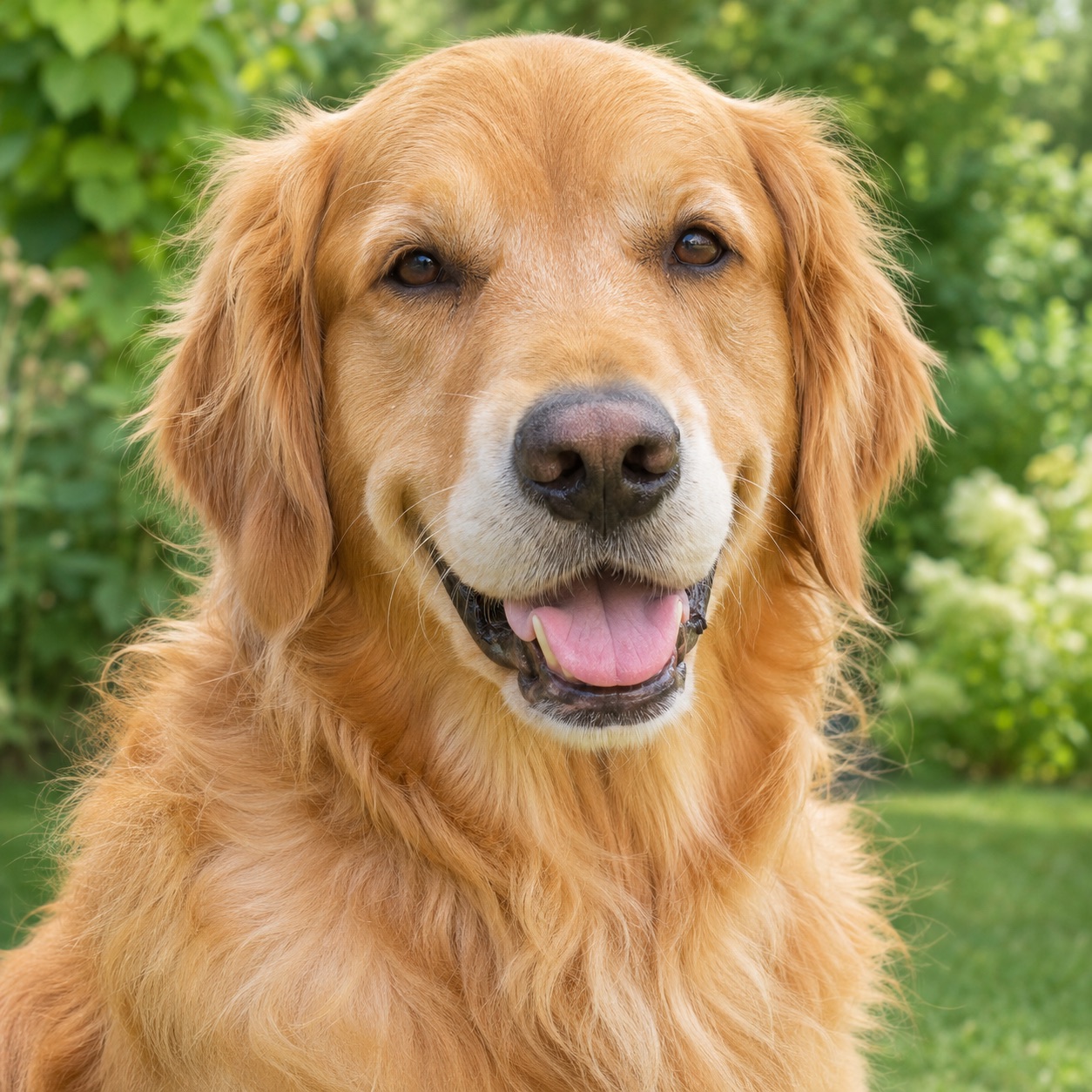
Look for a well-lit image where the subject is easy to distinguish from the background. Very dark faces or harsh shadows can hide detail; a bright window behind the subject can pull attention away.

Fine background details can become visual noise in a small print. A simple wall, softly blurred setting or clean silhouette helps your subject stand out.
Use the original photo if you can. The preview lets you scale and reposition the image inside the frame, so you can fine-tune the crop there.
Bright, colorful images can make a lively CMYK lithophane. Strong light and dark definition still helps, and printed colors may look different from the screen.
A close, in-focus portrait in soft daylight, a pet against a calm background, or a simple scene with distinct shapes.
A distant group with tiny faces, a very dark or blurry image, or a busy scene where the subject blends into its surroundings.
Upload it, try the framing, and see your custom preview before ordering.
Make your lithophane